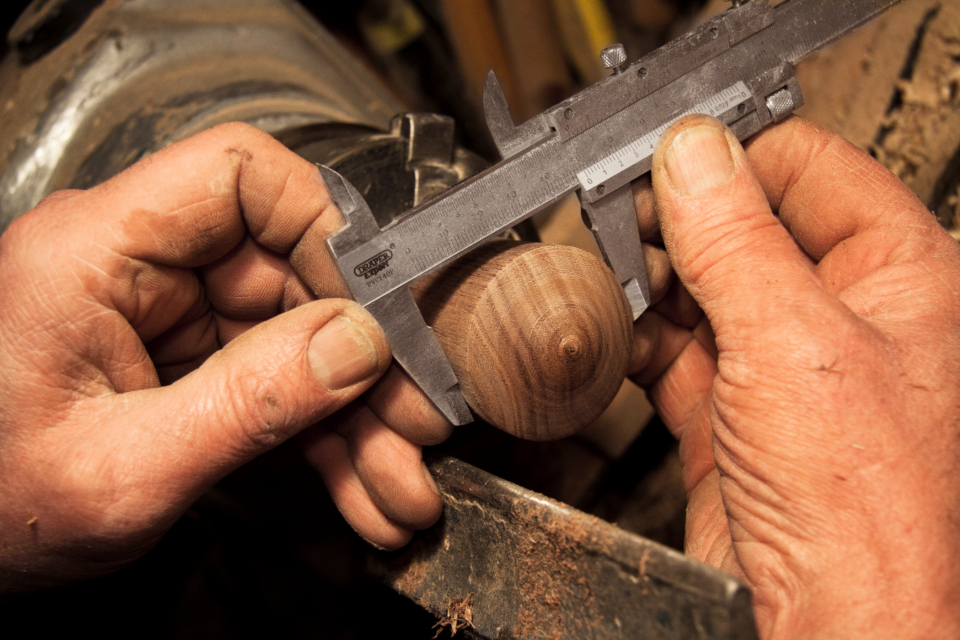
Tom took his product photos on a dark countertop, under his overhead kitchen light. His leather wallets looked like they belonged in a police evidence bag.
Two months, zero sales.
He moved his setup to the window. Same wallets, same phone. His sales doubled in the first week. Nothing else changed. Here's what he actually did.
1. Use natural light
Set up near a window during the day. Not direct sun — that creates harsh shadows and weird glare. Soft, indirect daylight is the sweet spot.
Turn off your overhead lights while you're at it. They mess up the color and mix with the daylight in ugly ways.
2. Keep the background clean
A white sheet, a piece of foam board from the dollar store, or even a clean wall works. The point is to remove distractions so the product is the star.
Tom used a $4 foam board from Walmart. He still uses it three years later.
3. Show multiple angles
Front, side, back, top, and one close-up of a detail that matters (texture, stitching, label). Five photos per product is a good target.
Give people enough to feel like they've held it in their hands. When shoppers can't touch the product, angles do the work.
4. Include a size reference
This is the step everyone skips. Show the product being held, worn, or placed next to something familiar — a coffee cup, a hand, a phone.
"Small" and "large" mean nothing on a screen. Real-world size fixes a huge chunk of returns and complaints.
5. Edit lightly
A little brightness, a light crop, straighten the shot. That's it.
Don't slap a heavy filter on it. You'll get complaints when the actual product doesn't match the photo, and returns eat all your profit.
Tom used the built-in iPhone photo editor. Just brightness up a hair, contrast up a hair, done in 20 seconds per photo. The goal is "clearer version of reality," not "Instagram fantasy."
Your product photos are your storefront. Even if the product itself is amazing, bad photos make it look cheap — and cheap-looking products don't sell, no matter how good they actually are.
Twenty minutes near a window can pay off for years. Tom still uses photos he took in that first window session on his best-selling wallets.